


Lydia Wedlock, editorial assistant, The Credit Union Connection
Sarah Snell Cooke, founder/CEO, The Credit Union Connection
2024 gave people numerous reasons to move to another state. The results of the 2024 election, along with higher costs of living and the rise of hybrid work, are just a few of the reasons many people are choosing to find a new place to live. For credit unions, this could mean major shifts in your membership demographics and the needs of your members and community.
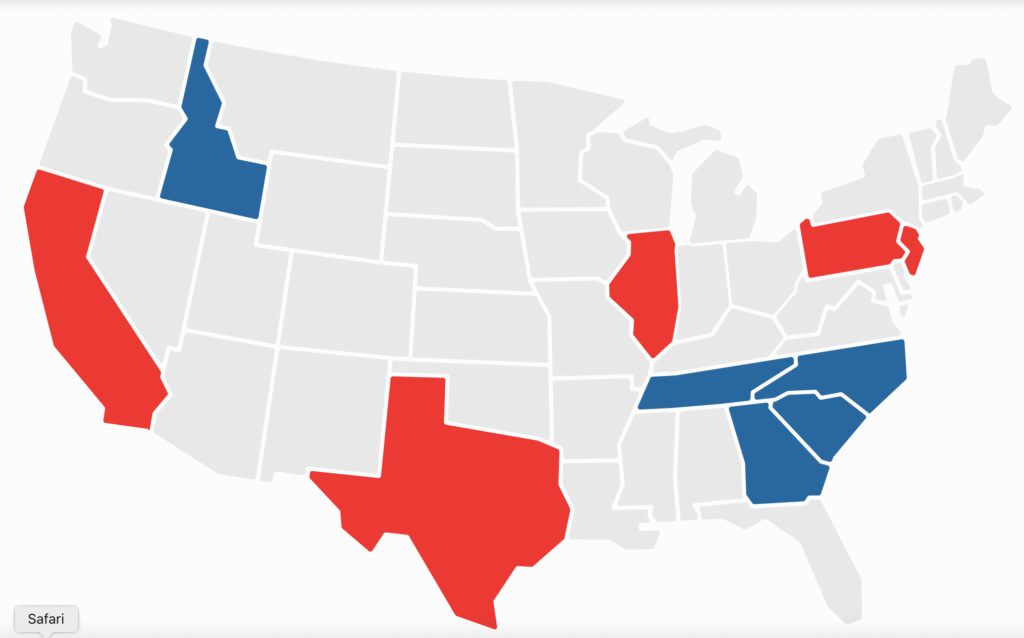

Where are Americans coming from and going?
According to NorthAmerican Moving Services, these were the top five outbound states:
- California
- Illinois
- Pennsylvania
- New Jersey
- Washington
The top five inbound states were:
- Idaho
- South Carolina
- North Carolina
- Tennessee
- Georgia
As for the top inbound cities:
- Greenville, SC
- Charlotte, NC
- Nashville, TN
- Raleigh, NC
- Dallas, TX
Why Are People Moving?
While COVID-19 restrictions are a thing of the past at this point, the remote and hybrid work trends that emerged during the pandemic remain popular. Workers continue to seek out these kinds of job opportunities. Quality of life is also a critical factor in the decision to move to another state.
California, which placed #1 on the list of outbound states, has incredibly high property taxes and living costs, making the state unaffordable for many. As a result, many Americans are looking elsewhere for a more affordable place to live while continuing to work remotely or seeking new hybrid and in-person work opportunities.
Along with job opportunities and affordability, the local attractions and family-friendliness of the places people are moving to also play a role in their decision-making, particularly in many of the country’s southern states.
In the case of Greenville, South Carolina, which was the #1 inbound city of 2024, the growing job market and its mild climate, which is beneficial for many outdoor activities, proved to be significant draws for people seeking a new home.
What Does Migration in the US Mean for Credit Unions?
For credit unions in the southern United States and Idaho, the influx of new residents brings the opportunity to help transplants get mortgages to secure their dream homes! However, home prices and mortgage rates remain high, so working with new members to figure out a mortgage plan is crucial.
As for credit unions located in areas where people are moving out, pay close attention to the changing demographics and continue to ask what members need, because it’s likely to change, and you don’t want to get left behind. Create strategies not just to survive, but to thrive in the long term.
Credit union leaders, including their boards and executive teams, must be observant, analytical, strategic and proactive in addressing the concerns that may arise. Even for credit unions fortunate enough to be located in areas where more and younger Americans are migrating to, you must prepare to serve the influx of new potential members and serve them well.
To keep up, be sure to stay on top of the pulse of your community. Consider the political climate at the local, state, and national levels and the type of impact it will have on the demographics of your community. Do you live in an area where people are getting deported? Does your state charge ridiculous fees to small businesses? (I’m looking at you, Maryland.) Are there growing or shrinking employment opportunities? The data could surprise you.
Credit unions might also consider expanding their field of membership to diversify. And, within that, think about whether you should implement this strategy through a straight FOM expansion, merger or bank purchase. What best serves the future of your credit union?
As a younger population moves in, deliberate whether your credit union is investing enough in digital services. Find the friction and fix it. Or if younger people are leaving your area, do you have the digital chops to retain them as members?
And then, there are your branches to reconsider. Should you add more or close some? Are they in the right locations? What size should they be, and what kind of technology will you install?
Why does this matter to your credit union?
Leadership must ask all of these questions and more based on what’s happening in the larger scheme of the community and its people. How could that impact the credit union?
And then follow up with each by asking, ‘Why does this matter?’ Why is this important? What happens if we don’t do the thing? Why would we not do A, B and C? Why? Why? Why? Curiosity is one of the most powerful strategic weapons you have. Wield is frequently.
Each and every credit union leader has profound, even overwhelming, responsibilities to their members, first, and to the cooperative credit union community as a whole, to survive and thrive. Be your members and potential members’ financial services provider of choice!