

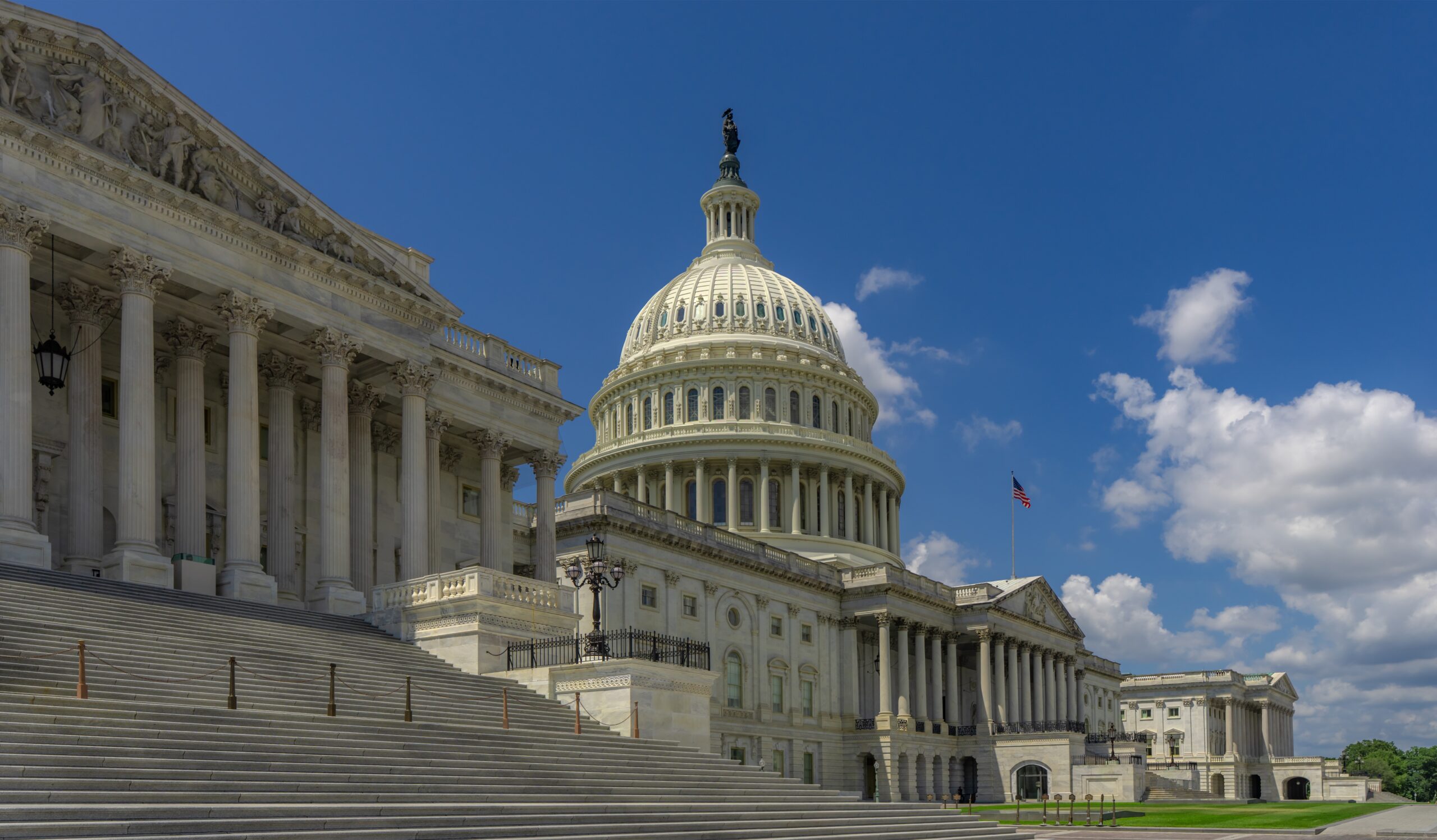
The Defense Credit Union Council (DCUC) wrote to House Speaker Johnson, House Minority Leader Jeffries, Senate Majority Leader Thune, and Senate Minority Leader Schumer urging Congress to preserve credit unions’ tax-exempt status as lawmakers prepare to consider upcoming budget reconciliation legislation.
As widely reported, Congress is expected to take up another budget reconciliation bill in the near future. DCUC is urging congressional leaders to ensure that this and any future legislation protects credit unions’ longstanding federal tax exemption and maintains their appropriate regulatory framework. “Credit unions’ unique cooperative structure and record of service to military communities warrant continued protection from harmful tax or regulatory changes,” reminds DCUC President/CEO Anthony Hernandez.
For more than 90 years, federal credit unions have been exempt from federal income tax in recognition of their not-for-profit, member-owned structure and public-service mission. Unlike banks, credit unions exist solely to serve members rather than shareholders, reinvesting earnings through lower loan rates, higher savings returns, and affordable financial services.
“Congress reaffirmed the importance of this model in 1998 through the Credit Union Membership Access Act, and this policy continues to reflect the substantial public benefits credit unions provide to communities nationwide,” says Jason Stverak, DCUC Chief Advocacy Officer. “Eliminating or weakening the credit union tax exemption would harm millions of Americans who rely on these institutions for accessible financial services.”
DCUC has repeatedly warned that revoking credit unions’ tax exemption would result in higher borrowing costs, lower savings returns, and reduced services for members.
“This is particularly concerning when thinking of our junior enlisted personnel and military families on tight budgets. It could also force some on-base credit union branches to close, leaving servicemembers with fewer safe financial options and increasing reliance on predatory lenders,” Hernandez stressed. “Credit unions’ ability to provide financial education and tailored services that strengthen military financial readiness would be greatly diminished.”
In the letter, DCUC urged Congress to maintain the regulatory framework that recognizes credit unions’ cooperative structure.
“Proposals such as interchange or interest-rate caps, or bank-like capital and reporting requirements, could unintentionally restrict credit availability and divert resources away from member services such as fraud protection, financial counseling, and rewards programs,” says Stverak.
DCUC expressed appreciation for Congress’ bipartisan support for credit unions and urged lawmakers to ensure that no provisions in upcoming reconciliation or other legislative packages undermine credit unions through new taxes or inappropriate regulatory burdens. Preserving credit unions’ tax status and regulatory framework helps ensure these member-owned cooperatives can continue providing affordable financial services, financial education, and community support to millions of Americans, including those who serve in uniform.