


The National Credit Union Administration (NCUA) submitted an interim rulemaking to the Office of Information and Regulatory Affairs on Tuesday confirming that federal law preempts the Illinois Interchange Fee Prohibition Act. The rule is expected to be published in the Federal Register imminently.
The move mirrors action the Office of the Comptroller of the Currency (OCC) took earlier regarding federally chartered banks and sends a clear message: state laws cannot override federal authority over the national payments system.
“DCUC strongly supports the NCUA’s effort to provide regulatory clarity and reaffirm the federal authority of credit unions to offer secure, efficient and reliable payment services to their members,” said Jason Stverak, DCUC Chief Advocacy Officer. “At a time when states are increasingly pursuing inconsistent and potentially unworkable interchange and payment-related mandates, it is critical that federal credit unions operate under a clear and uniform national framework.”

The Illinois law, which passed in 2024 and was to take effect July 1, despite legal challenges, requires certain payment card networks to allow merchants to route transactions through their preferred network regardless of security or fraud protection differences. The state-level approach has raised concerns about fragmenting the national payments infrastructure, creating operational chaos for financial institutions operating across state lines and keeping cardholders from using them when traveling through Illinois.
Why Federal Preemption Matters
When Illinois passed its interchange law, other states followed: Colorado, Massachusetts, Delaware and New Jersey have all considered similar legislation. Without federal preemption, credit unions and other card issuers could face 50 different sets of rules governing payment card transactions depending on where the transaction occurs or where the member is located.

“We thank Chairman Hauptman for his leadership and commitment to ensure credit unions and their 146 million members are protected from harmful efforts to change the national payments system,” said Scott Simpson, President and CEO of America’s Credit Unions. “Paired with the OCC’s previous actions, it is clear that state laws cannot encroach against national authorities nor undermine the safety and stability of our national payments system.”
For defense credit unions serving military members who move frequently and deploy globally, that fragmentation creates serious operational problems.
“Defense credit unions serve millions of servicemembers, veterans, Department of War personnel and military families who depend on seamless electronic payment systems, fraud protections and uninterrupted access to financial services regardless of where they are stationed around the world,” Jason said. “A fragmented, state-by-state approach to interchange regulation and payment processing requirements threatens to increase operational complexity, elevate compliance costs and ultimately harm consumers.”
DCUC President/CEO Anthony Hernandez, a said, “This issue goes beyond regulatory consistency. It directly affects financial readiness and the day-to-day stability of the military and veteran communities credit unions serve every day. Payment systems are essential infrastructure for modern life, supporting everything from payroll and benefits access to household budgeting and secure transactions during deployments and permanent change of station moves.”
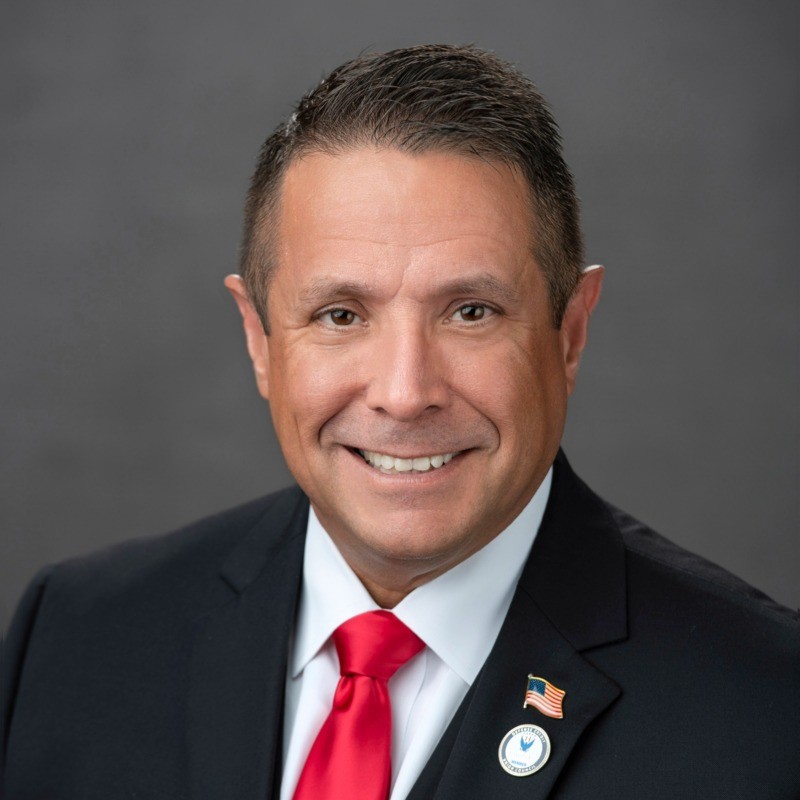
A unified federal framework helps ensure these systems remain reliable and interoperable for servicemembers and their families, who often face unique mobility and financial demands, Anthony added.
The pending NCUA action mirrors recent OCC actions affirming federal preemption authority regarding non-interest charges and fees. Both regulators are establishing that federal law governs federally chartered institutions, even when state legislatures attempt to impose conflicting requirements.
Scott emphasized the work isn’t finished. “As we await the rulemaking’s approval and publication, we are relentless in our efforts to challenge the Illinois law and other attempts to create chaos within the payments system.”
The interim final rule has been submitted to OIRA for review. Once approved, it will publish in the Federal Register and provide regulatory clarity federal credit unions need to operate under consistent national standards rather than navigating conflicting state mandates.