

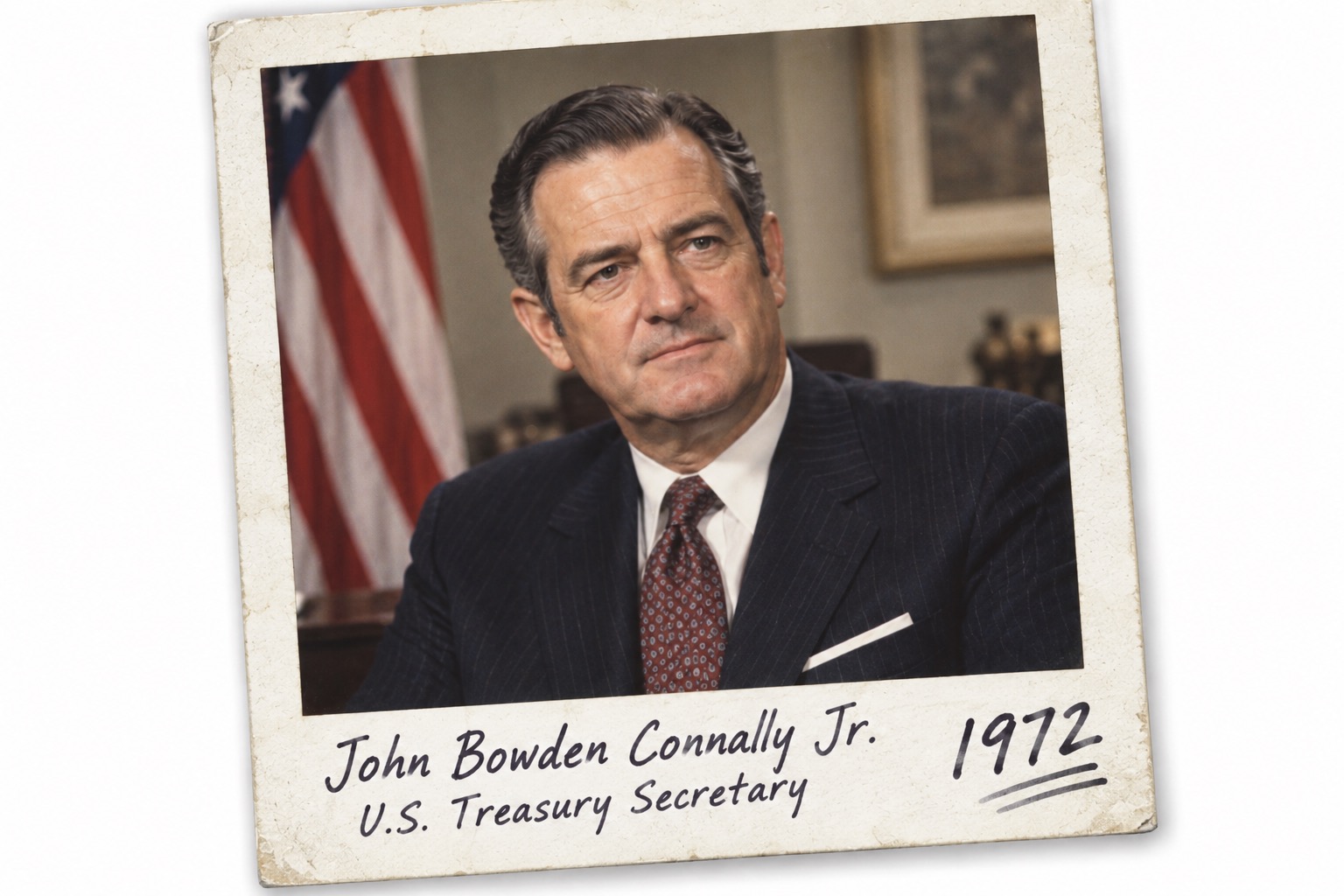
The threshold that triggers banks and credit unions to file paperwork on your cash transactions hasn’t changed since 1972. Yes, 1972—when a gallon of gas cost 36 cents and “American Pie” topped the charts. Adjusted for inflation, that $10,000 reporting threshold should be sitting around $72,880 today. Spoiler alert: it’s not.
The Defense Credit Union Council (DCUC) has had enough of this time warp. They’re pushing both the U.S. Treasury Department and Congress to bring these outdated Bank Secrecy Act (BSA) rules into the current century—specifically the thresholds for Currency Transaction Reports (CTRs) and Suspicious Activity Reports (SARs).
In letters sent to Treasury Secretary Bessent and House Financial Services Committee Chairman Hill, DCUC made their case clear: it’s time to cut the busywork that doesn’t actually help catch bad guys, while keeping the reporting tools that do.
What’s Actually Being Proposed
DCUC is throwing its weight behind H.R. 1799, the Financial Reporting Threshold Modernization Act. This legislation would bump the CTR threshold from $10,000 to $30,000 and raise certain SAR thresholds from $5,000 to $10,000. Even better, it would add automatic inflation adjustments every five years so we don’t end up back in this same mess decades from now.
“Today’s reporting thresholds were established decades ago and no longer reflect the economic environment in which credit unions and their members operate,” explains Jason Stverak, DCUC’s Chief Advocacy Officer. “Modernization should reduce low-value compliance work while preserving the information law enforcement needs to identify and disrupt illicit finance.”
Translation: let’s focus on actual suspicious behavior instead of drowning in paperwork every time someone makes a slightly larger-than-average transaction.
Why This Matters Beyond the Numbers
This isn’t DCUC’s first rodeo on this issue. They endorsed H.R. 1799 back in January and sent another letter in May advocating for BSA modernization. They’ve been consistent: update the thresholds, build in inflation adjustments, and make the reporting requirements actually make sense.
The Government Accountability Office backs up their concerns, confirming that Treasury set that $10,000 mark back in ’72 and never touched it again. Against that backdrop, the proposed $30,000 threshold looks pretty conservative—it’s nowhere near the full inflation-adjusted amount.
“Periodic inflation adjustments are especially important,” Stverak points out. “A one-time increase would provide relief today but allow the same problem to recur as prices rise. Congress should establish a durable framework rather than require institutions to return repeatedly for correction of thresholds that have again become outdated.”
Relationships Should Count for Something
DCUC also wants Treasury to consider how long-standing customer relationships factor into risk assessment. If someone’s been banking with the same credit union for twenty years with consistent, predictable activity, that context matters.
“Verified transaction history, established member relationships, and an institution’s understanding of normal account activity can provide important context,” Stverak notes. He’s careful to add that relationship length should inform risk assessment, not replace it—genuinely suspicious activity is still suspicious, no matter how long someone’s been a customer.
Making Sure the Rules Actually Work in Practice
Here’s where things get interesting. DCUC is asking Treasury, FinCEN, NCUA, and other regulators to actually coordinate on implementation. Because what good is regulatory relief if examiners don’t get the memo?
They’re specifically concerned about credit unions feeling pressured to file defensive SARs just because a transaction happens to be near a reporting threshold. Fortunately, interagency guidance released in October 2025 clarified that a transaction near the CTR threshold doesn’t automatically require a SAR unless there’s actual evidence someone’s trying to dodge reporting requirements.
“Regulatory relief should translate into supervisory practice,” Stverak emphasizes. “Credit unions should not be encouraged to replace routine CTR activity with defensive SAR filings simply because a transaction happens to fall near a reporting threshold.”
Simplify the Process While You’re At It
DCUC isn’t stopping at threshold updates. They’re also asking for simpler forms, removal of fields that don’t actually help investigations, and clearer instructions for aggregating related transactions. The goal is straightforward: keep the reporting that helps law enforcement catch criminals, ditch the stuff that just creates busywork.
They’re also asking Treasury not to hold threshold modernization hostage to every other BSA reform initiative. Move forward on what can be done now, they argue, and provide a public roadmap showing what comes next and when.
The Bottom Line
DCUC wants to be crystal clear about something: they’re not trying to make it easier for criminals to launder money. For defense credit unions especially, protecting the financial system goes hand-in-hand with supporting military financial readiness.
“DCUC is not seeking a retreat from the fight against illicit finance,” Stverak wrote. “We support maintaining appropriate reporting safeguards and targeted government-industry information sharing.”
They just want the rules to reflect the reality of 2025, not 1972. And really, is that too much to ask?