

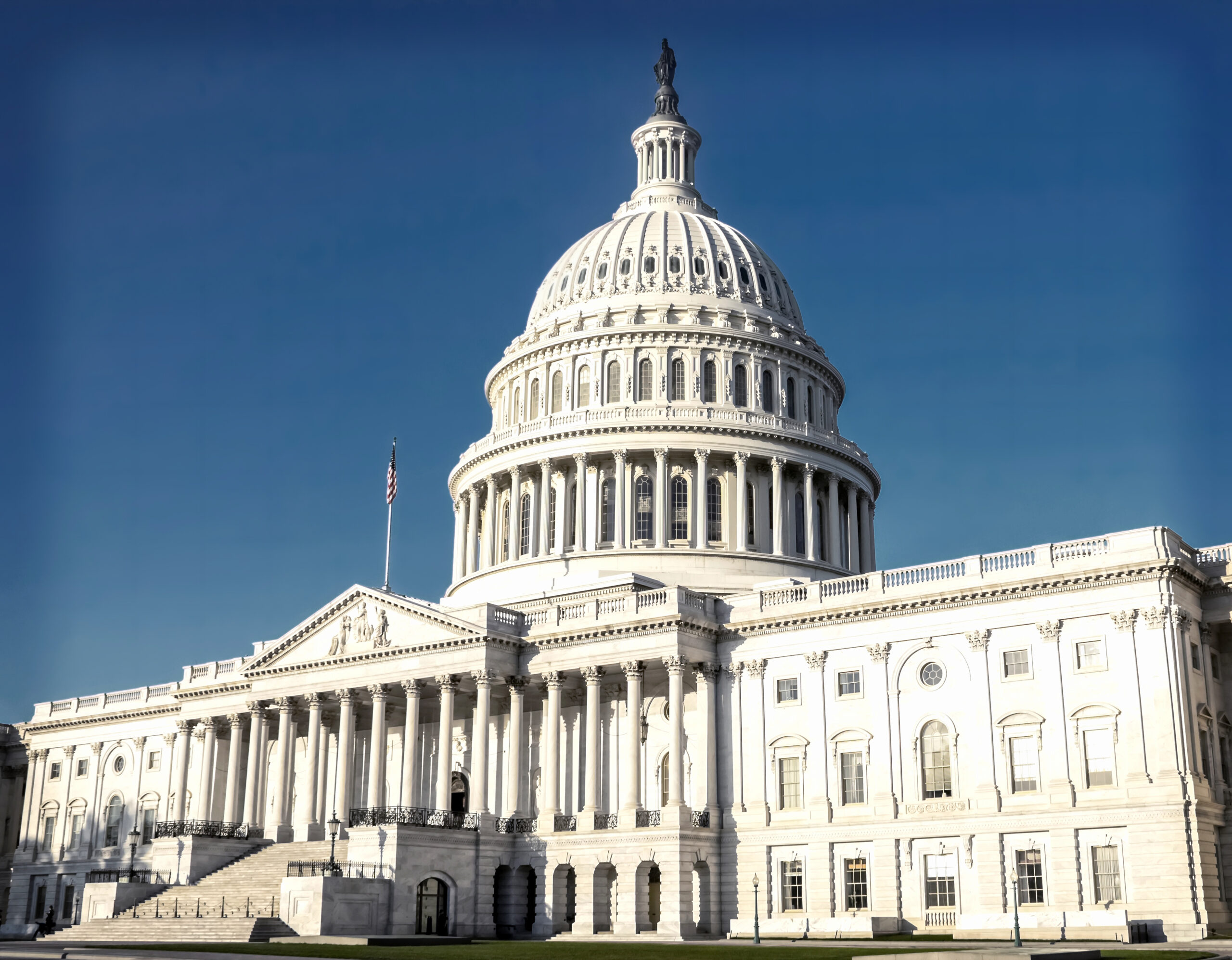
As Congress prepares for critical hearings this week with U.S. Treasury Secretary Scott Bessent and USDA Secretary Brooke Rollins, the Defense Credit Union Council (DCUC) has engaged with both the House Committee on Agriculture and the House Committee on Ways and Means to outline key policy recommendations; ensuring military families, rural communities, and veteran entrepreneurs are not left behind in the nation’s economic agenda.
In its letter to the House Committee on Agriculture, DCUC noted:
- Outdated Business Lending Limits Hurt Rural Borrowers: The arbitrary 12.25% cap on member business lending (MBL) disproportionately impacts veteran-owned small businesses and rural borrowers. DCUC urged Congress to modernize or exempt certain loans from the cap, and to support the Veterans Member Business Loan Act (VMBLA).
- Field of Membership (FOM) Rules Prevent Access in Underserved Areas: Outmoded FOM restrictions block credit unions from serving nearby rural populations—even when infrastructure and relationships are already in place. DCUC called for charter modernization and more flexible inclusion criteria for rural areas.
- Unequal Treatment Compared to the Farm Credit System (FCS): FCS institutions enjoy tax exemptions and expanded lending authorities unavailable to credit unions, creating an unfair playing field. DCUC asked Congress to reexamine FCS advantages and encourage partnership over competition.
- Proposed USDA Partnerships: DCUC recommended pilot programs and increased access to USDA loan guarantees for credit unions, allowing them to better serve rural communities and small-scale agricultural producers.
“Credit unions are uniquely positioned to serve rural America—especially around military bases that function as economic anchors,” says Jason Stverak, DCUC Chief Advocacy Officer. “But outdated lending caps and unfair competition from Farm Credit institutions are limiting our ability to deliver affordable capital where it’s needed most.”
In our comments to House Committee on Ways and Means, DCUC stressed the importance of:
- Preserving the Federal Tax-Exempt Status of Credit Unions: Any erosion of this status would function as a tax on over 45 million credit union members—including active-duty military and veterans. DCUC highlighted that credit unions make up just 6.8% of total financial assets and serve a public mission, not profit motives.
- Fully Funding the CDFI Fund: Many defense credit unions are also Community Development Financial Institutions (CDFIs), relying on the CDFI Fund to offer affordable loans, expand access to capital, and strengthen economic development in military and tribal communities.
- Expanding Military Financial Literacy and Readiness: With over 10,000 financial education events hosted annually on military installations, DCUC urged Treasury to engage more actively with DoD through the Financial Literacy and Education Commission (FLEC) to expand these vital efforts.
Additionally, on June 9, U.S. Senators Mike Crapo (R-ID) and Mark Warner (D-VA) introduced the Task Force for Recognizing and Averting Payments Scams (TRAPS) Act, a bipartisan effort to address the alarming rise in payment fraud. The legislation aims to strengthen protections for consumers—particularly vulnerable populations like military families—by enhancing coordination among financial institutions and law enforcement.
The Defense Credit Union Council (DCUC) issued the following statement in support:
“DCUC applauds Senators Crapo, Warner, Moran, and Warnock for their leadership on the bipartisan TRAPS Act. As the voice for defense credit unions serving our nation’s military and veterans, we were proud to work with our partners in the lead-up to this legislation’s introduction. Payment scams targeting military families are on the rise, and credit unions are often the first line of defense.
This bill gives credit unions the tools they need to detect, stop, and report fraudulent transactions before the damage is done—empowering financial institutions to pause suspect payments and better coordinate with law enforcement. DCUC strongly supports the TRAPS Act and looks forward to working with Congress to advance this commonsense legislation that protects consumers, especially those who serve and sacrifice for our country.”
Last week, Senate staff from the offices of Senators Warner and Crapo finalized the legislative language for the TRAPS Act and cleared it with Senate Legislative Counsel. The Act would formally establish a task force charged with addressing the nationwide surge in payment fraud.
According to the Federal Trade Commission (FTC), consumer losses to fraud have increased by 25% over the past year, reaching a staggering $12.5 billion in 2023 alone.
U.S. Senators Jerry Moran (R-KS) and Raphael Warnock (D-GA) have joined as original co- sponsors of the legislation.
The TRAPS Act has earned broad support from across the financial and consumer protection sectors, including AARP, Early Warning Services, Electronic Transactions Association, GoWest Credit Union Association, American Bankers Association, Consumer Bankers Association, National Bankers Association, DCUC, and America’s Credit Unions.