

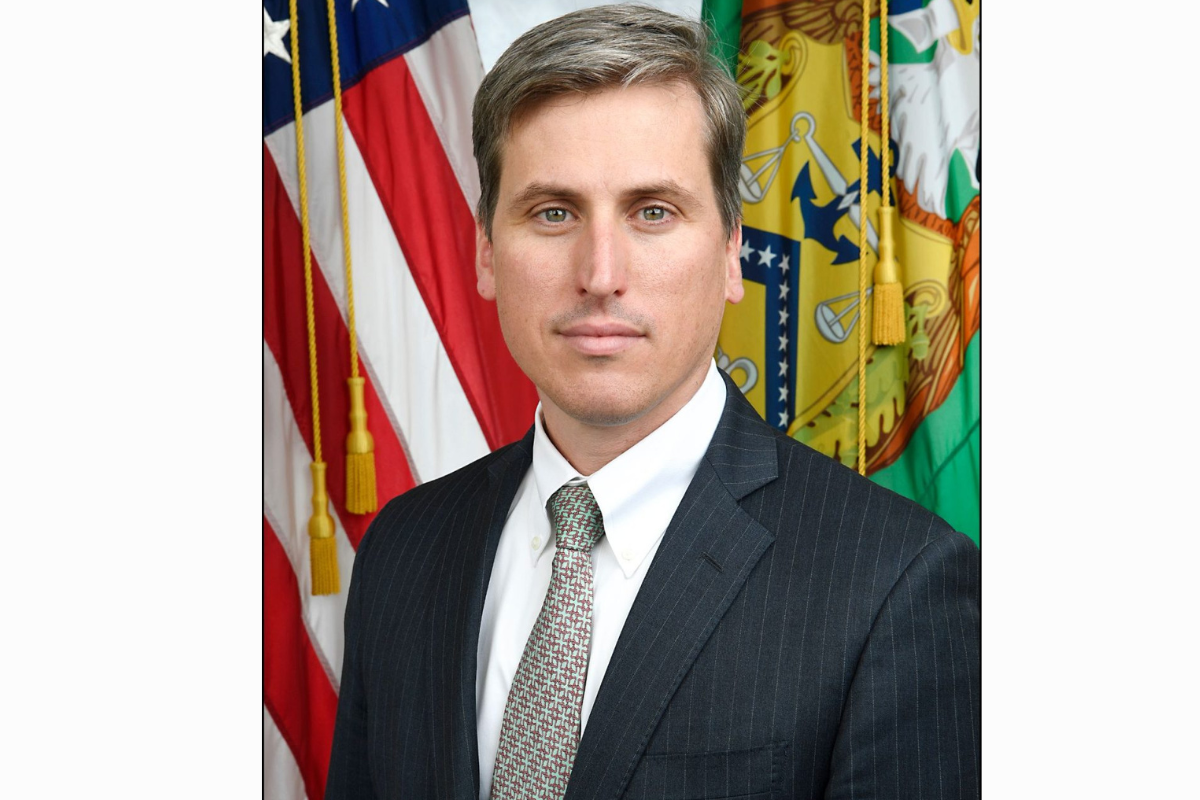
If you’ve been watching the credit union world (or just really enjoy confirmation hearings), you already know: John Crews is officially slated to become the new chair of the National Credit Union Administration Board.
“America’s Credit Unions congratulates John Crews on his confirmation to the National Credit Union Administration. An effective credit union regulator must be properly equipped to oversee the industry, while providing access to the tools to take on today’s modern financial landscape. Throughout his career, Crews has shown a measured and thoughtful approach to innovation, stability, and expanding access to affordable financial services. His experience will be an asset to the agency. We look forward to working with Crews to advance modern regulatory framework, and we encourage President Trump to proceed with nominations to fill the three-person NCUA Board.” – America’s Credit Unions President/CEO Scott Simpson
Crews, previously Treasury deputy assistant secretary for financial institutions policy, has met with America’s Credit Unions, Leagues, and credit unions several times while at Treasury to discuss the unique nature of credit unions, the need for regulatory modernization, and more.
America’s Credit Unions wrote to the Senate Banking Committee in support of Crews’ nomination and swift confirmation, and its advocacy team also met with each committee member’s office to discuss the nomination and issues related to the NCUA.
And the Defense Credit Union Council? They’re breaking out the good coffee for this one.
The DCUC released a statement that’s basically the professional equivalent of a solid fist bump. Translation: they’re pretty happy about this pick.
Why This Matters for Military and Veteran Communities
“We commend Congress for confirming John Crews as NCUA Board Chairman,” said Anthony Hernandez, DCUC President and CEO (and retired U.S. Air Force Colonel, because of course). He pointed out that this decision brings “balanced, thoughtful oversight” to a system that serves more than 40 million people—military members, veterans, and defense-affiliated folks who count on their credit unions for financial stability.
That’s not a small number. We’re talking about millions of people who rely on these institutions as trusted partners for everything from basic checking accounts to major financial decisions. Hernandez added that the DCUC is looking forward to working with Crews to strengthen services across the board.
What Crews Brings to the Table
Jason Stverak, DCUC’s Chief Advocacy Officer, highlighted what makes Crews a solid choice: “Chairman Crews brings a strong understanding of regulatory policy and public service to this leadership role.” In other words, he gets how the machinery works—and that matters when credit unions are navigating economic uncertainty and rapid tech changes.
The DCUC emphasized they’re ready to roll up their sleeves and collaborate with the NCUA to make sure regulations actually help credit unions and their members succeed, not just add red tape.
The Priority List
During the confirmation process, the DCUC wasn’t shy about what they wanted to see. They sent letters to Congressional oversight committees laying out their wish list, which lined up nicely with what Crews talked about in his testimony:
- Keep the credit union system stable and secure—nobody wants surprises here
- Support smart, risk-based regulation that recognizes not all credit unions are the same size or face the same challenges
- Embrace technological advancement without compromising member safety
- Encourage new credit unions to pop up and serve underbanked and military communities
- Maintain open, honest dialogue between the NCUA and credit unions—because collaboration beats confrontation every time
The Bottom Line
With Crews now officially in the chair, defense credit unions have a regulatory partner they believe will support their mission. For the millions of service members and veterans who depend on these institutions, that’s pretty good news.
Want to learn more about how the DCUC advocates for defense credit unions on regulatory matters? Check out their work on NCUA policy issues and see how they’re fighting the good fight for military-connected communities.