

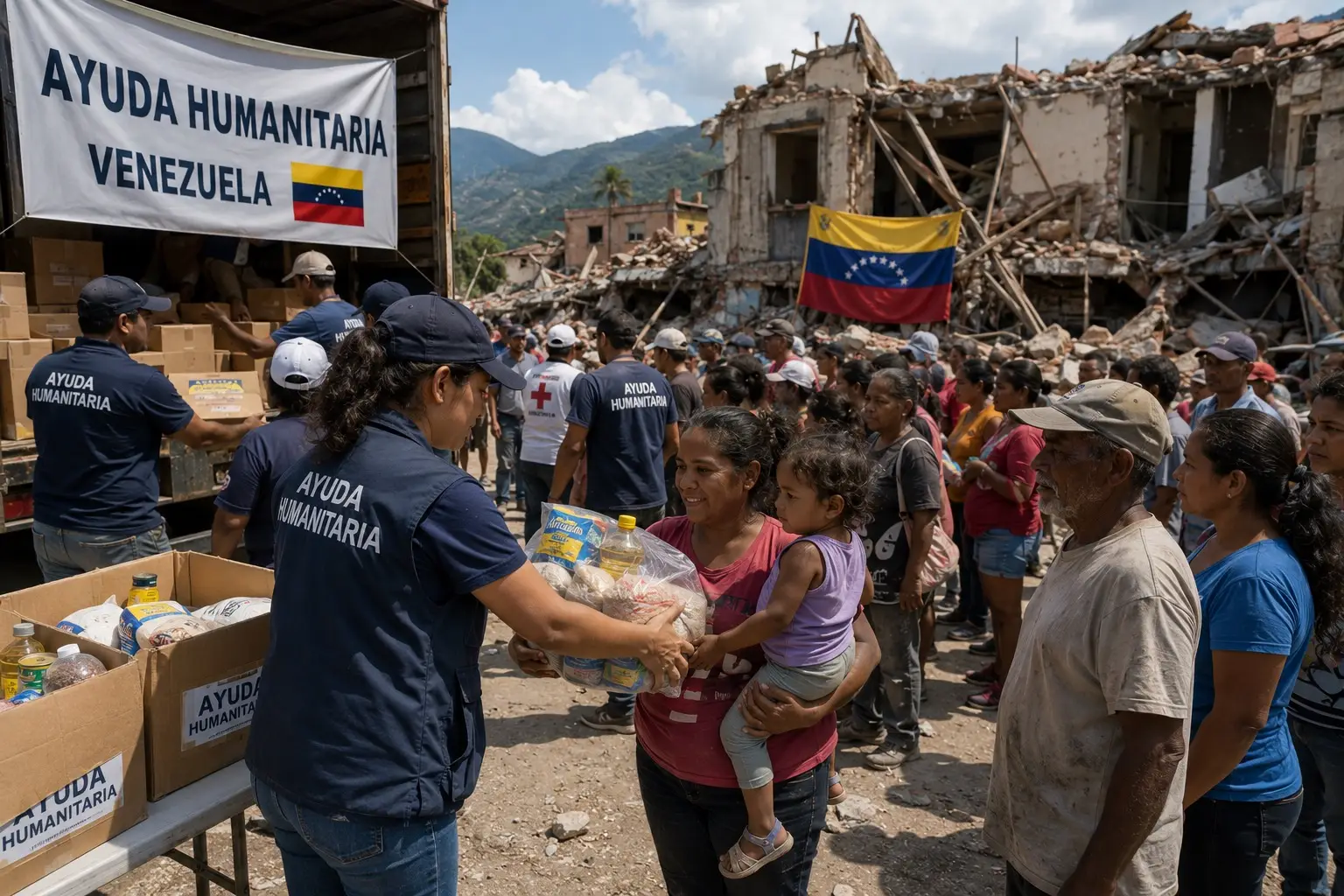
When disaster strikes, the last thing relief efforts need is red tape getting in the way. That’s why four major U.S. financial regulators just issued a joint statement that basically says: “We’re not going to penalize banks for helping Venezuela recover from recent earthquakes—as long as they’re playing by the rules.”
Here’s the situation. On June 24, 2026, a pair of powerful earthquakes hit Venezuela’s northern coast near Caracas, leaving several cities damaged and creating an urgent humanitarian crisis. The Federal Reserve, FDIC, NCUA, and OCC (the alphabet soup of banking regulators) recognized a problem: banks that could help were sitting on the sidelines because they weren’t sure if providing financial services to Venezuela might get them in regulatory hot water.
What the Regulators Are Actually Saying
The agencies are making a straightforward promise: they won’t take supervisory or enforcement action against financial institutions for Bank Secrecy Act (BSA) violations when those institutions provide authorized financial services in Venezuela. Think of the BSA as the collection of anti-money laundering laws that banks need to follow—it includes the Bank Secrecy Act itself, the USA PATRIOT Act, and related regulations.
This regulatory breathing room applies from July 31, 2026 through January 29, 2027, giving institutions a six-month window to facilitate humanitarian relief and support Venezuela’s economic recovery.
The Fine Print (Because There’s Always Fine Print)
Before your local bank decides to go full cowboy in Venezuela, there are conditions. Financial institutions can only take advantage of this enforcement relief if they check three boxes:
- Stay compliant with BSA basics: Your institution needs to have a proper BSA compliance program in place and make reasonable efforts to follow the rules. The regulators get that speed matters here, so they’re being flexible—but “flexible” doesn’t mean “ignore everything.”
- Keep a clean record: If your institution has faced a final enforcement action for BSA violations in the past 24 months, you’re not eligible. This is for the good actors, not repeat offenders.
- Respect sanctions: This is critical—you still need to comply with Treasury’s Office of Foreign Assets Control (OFAC) sanctions regulations. This isn’t a free pass to ignore sanctions; it’s specifically about BSA enforcement relief for authorized activities.
What This Means in Practice
The agencies are essentially saying they understand that humanitarian crises require quick action, and sometimes that means things aren’t going to be perfect from a compliance documentation standpoint. As long as financial institutions are acting in good faith and making reasonable efforts to comply, they won’t be punished for anything short of “knowing, willful, or intentional violations.”
It’s worth noting that this policy mirrors a similar statement from FinCEN (the Financial Crimes Enforcement Network at Treasury), creating a unified front across U.S. financial regulators. When everyone’s singing from the same hymnal, it gives banks more confidence to act.
The Bottom Line
This joint statement is a rare example of regulators recognizing that sometimes doing the right thing quickly matters more than perfect paperwork. For the next six months, banks have regulatory cover to help Venezuela recover—provided they’re not using earthquake relief as an excuse to cut corners or ignore sanctions.
It’s a sensible approach that balances humanitarian needs with regulatory oversight. And in a world where “regulatory flexibility” often feels like an oxymoron, that’s actually refreshing.