

Say your 12-month CD matures next month, and you’re wondering whether to renew it, roll it into something new, or just let the cash sit.
The latest numbers from CD Valet suggest it’s worth looking around first, because the market has moved a lot since you last checked.
As of Oct. 19, 91% of changes to existing CD rates were increases, up from 84.1% on Sept. 21. That works out to rate hikes outnumbering cuts by nearly 10 to 1.
What’s pushing rates up
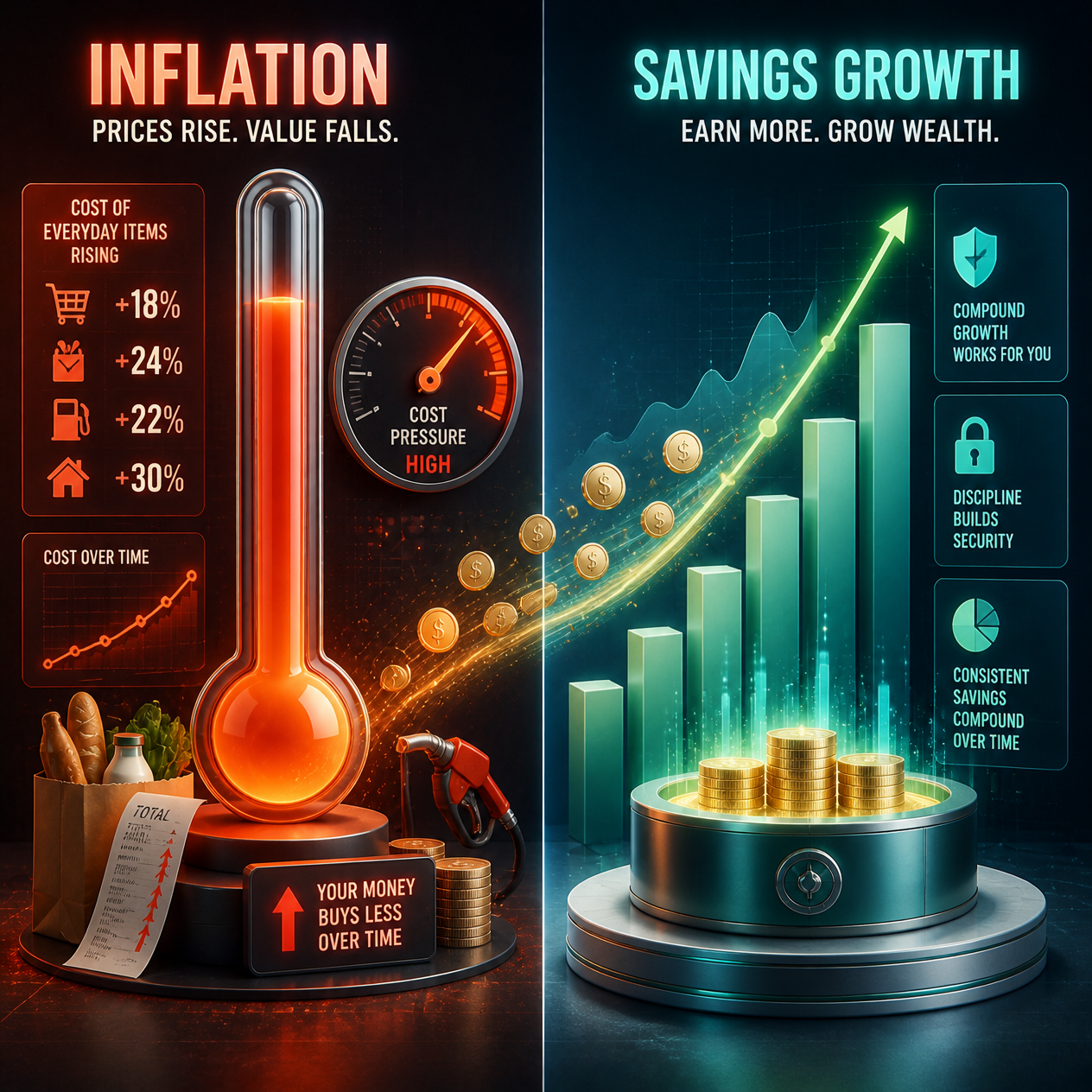
Inflation, mostly. The Consumer Price Index rose 0.6% in September after a 0.4% gain in August, according to the U.S. Bureau of Labor Statistics. Year-over-year inflation hit 3.7%, up from 3.4% the month before.
Energy did much of the damage. Gasoline prices jumped 9.1% and accounted for more than half of the monthly CPI increase. Shelter costs rose 0.4%.
The Federal Reserve raised its federal funds target range by 25 basis points in September, to 3.75% to 4.00%, and CD rates have kept rising since. As of Oct. 19, markets leaned toward no change at the Fed’s October meeting, with a smaller chance of another hike.
High-yield CDs are suddenly everywhere
CDs offering at least 4.00% APY climbed from 3,780 on Sept. 21 to 7,025 on Oct. 19. That’s an 86% jump in about four weeks. The share of rate increases has also generally grown since late summer:
| Reporting Period | Rate Increases | Rate Decreases |
|---|---|---|
| October 19 | 91.3% | 8.7% |
| September 21 | 84.1% | 15.9% |
| August 24 | 82.3% | 17.7% |
| July | 83.7% | 16.3% |
Over the past 30 days, longer terms gained the most at the top of the market:
- 24-month: top APY up 20 basis points to 4.45%
- 12-month: top APY up 19 basis points to 4.44%
- 6-month: top APY up 8 basis points to 4.32%
For savers chasing the strongest returns, CD Valet data puts the sweet spot at the 24-month term.
Averages tell a humbler story. Across the 39,462 CDs CD Valet tracks, the median rate was 3.35% APY. By term, medians were 3.51% for 6-month CDs, 3.35% for 12-month CDs and 3.10% for 24-month CDs.
“With inflation at 3.7%, savers need their money to work harder, and the CD market is responding,” said Mary Grace Roske, Head of Communications at CD Valet. “Savers have more strong options than they’ve had in months. There’s a real gap between an average offer and a great one, so savers should take time to shop and compare rates.”
How to approach your next CD
Hotter inflation, continued growth and only light softening in the jobs market leave room for rates to rise further. A few ground rules:
- Compare offers first. Check local and online rates side by side.
- Match the term to your timeline. Choose a maturity based on when you’ll need the money.
- Weigh locking in against waiting. A longer term protects today’s yield if rates fall. A shorter one lets you reinvest sooner if they keep climbing.
- Consider a CD ladder. Spreading deposits across several maturity dates helps cushion rate swings.
For reference, the highest verified rates as of Oct. 21 were 9.00% APY on a 9-month CD from Southland Credit Union and 5.15% APY on a 60-month CD from Raymond James. Rates and eligibility can change, so confirm the terms before you open an account.
Before your current CD renews, pull up a few offers from banks and credit unions, line up the terms against your timeline, and only then pick one. That small bit of homework is the difference between an average rate and a great one.
CD Valet tracks around 40,000 publicly listed CD rates from nearly 5,000 banks and credit unions across the country. View CD Valet’s full report on where CD rates are headed in 2026.