

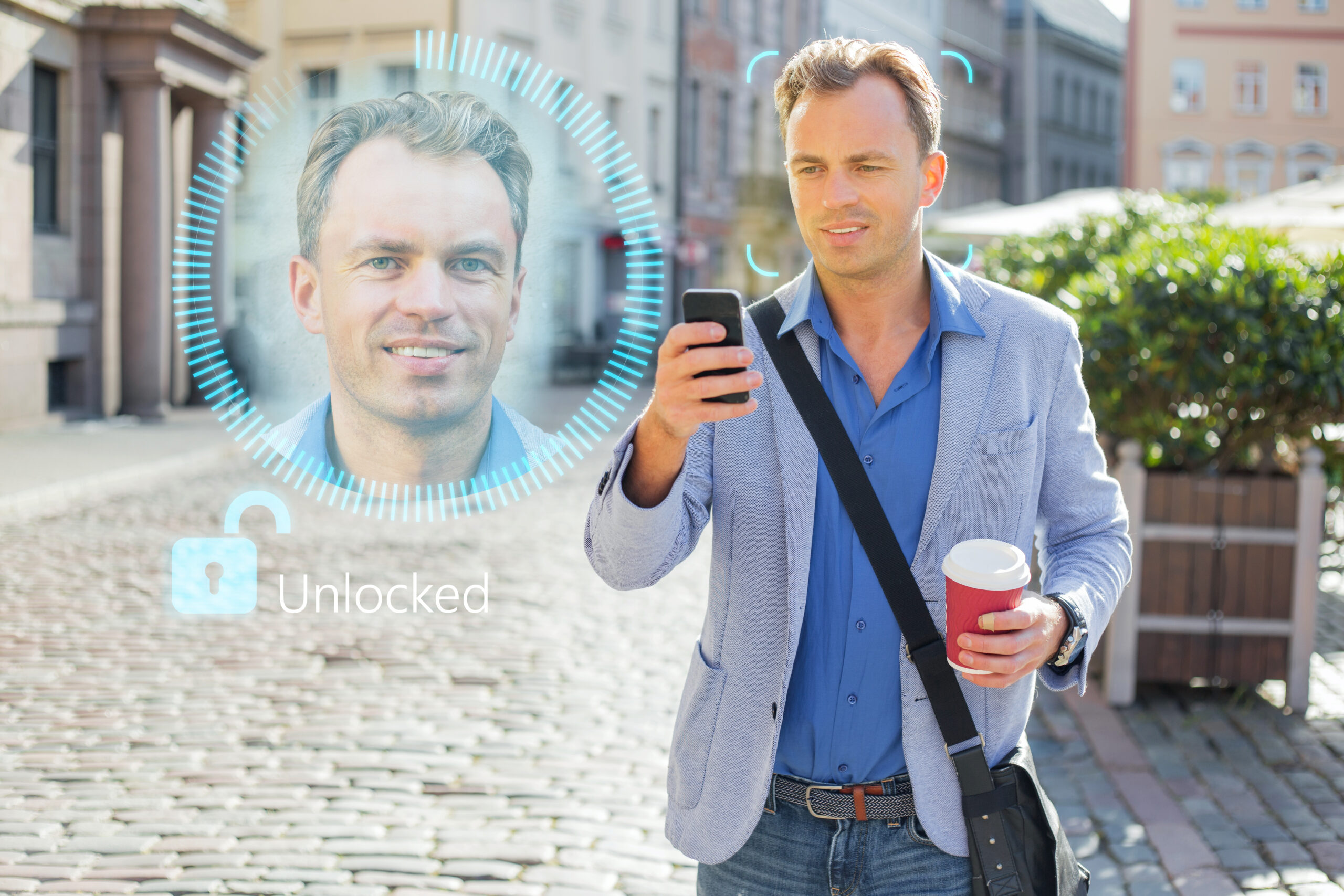
Your members want Fort Knox-level protection, but they also want to get verified faster than they can say “What was my first pet’s name again?”
It’s a tough balance, and relying on grandma’s maiden name isn’t going to cut it anymore.
Eltropy, the Agentic-AI and conversations platform that’s become essential infrastructure for credit unions and community banks, just announced partnerships with three authentication heavyweights: Illuma, IDgo, and Pindrop. Think of it as assembling the security Avengers, but for identity verification.
Why This Matters (Beyond the Buzzword Bingo)
Traditional authentication is showing its age. We’ve all been there—fumbling for a one-time passcode that expired 30 seconds ago, or being grilled about the street we lived on in third grade. It’s clunky, it’s slow, and honestly, it’s becoming a security liability.
These new partnerships give financial institutions actual flexibility. Instead of forcing every member through the same tedious verification gauntlet, institutions can now mix and match authentication methods based on what makes sense for each situation—the transaction type, the channel, the risk level, you name it.
What Each Partner Brings to the Table
Illuma delivers what they call passive voice security. Translation: it combines voice biometrics with fraud risk scoring and adaptive multi-factor authentication. Your members just talk naturally, and the system handles the security heavy lifting in the background.
Pindrop adds another layer of voice intelligence, focusing on fraud detection, spoofing protection, and authentication smarts across voice interactions. Because apparently, the bad guys have gotten really good at impersonating voices (thanks, AI).
IDgo takes a different approach with device-based authentication. It leverages the verification methods already built into your members’ phones and computers, creating what security folks call “persistent trust.” Basically, once verified, that trusted device stays trusted.
And here’s the kicker—Eltropy’s platform still supports traditional OTP and document verification for institutions that want to keep those options in the mix. It’s authentication à la carte.
The Real-World Impact
Kent Lugrand, CEO of InTouch Credit Union, didn’t mince words: “Relying on a single layer of defense is no longer a viable strategy. Multi-authentication is a business imperative that protects our bottom line, secures our digital expansion, and ensures that a single compromised credential will neither jeopardize our members’ financial assets and peace of mind nor the institutional stability we’ve built over decades.”
He added that the expanded authentication ecosystem will help everyone at InTouch Credit Union “sleep well at night.” And really, isn’t that what we’re all after?
The Numbers Don’t Lie
Dr. Milind Borkar, Founder and CEO of Illuma, shared some pretty impressive stats. Financial institutions using their IllumaSHIELD™ platform report reducing verification time by up to 95%. They’re also shaving over 80 seconds off the average handle time per call. When you’re dealing with thousands of calls, those seconds add up fast.
Even better? These institutions are deploying in days, not months. In a world where “fastest to deploy” usually means “only slightly faster than molasses,” that’s actually remarkable.
Why This Matters for the AI Future
Here’s where things get interesting. As financial institutions increasingly adopt AI-powered workflows—think chatbots that actually solve problems and virtual assistants that don’t make you want to throw your phone—trusted authentication becomes the foundation everything else builds on.
Abhishek Tiwari, Chief Product Officer at Eltropy, summed it up: “Financial interactions are ultimately about trust. Members increasingly expect interactions that are fast, intuitive and secure—without being forced through outdated verification experiences.”
Bucky Wallace, Chief Revenue Officer at Pindrop, drove the point home: “Trusted authentication is becoming foundational infrastructure for AI-powered customer engagement.” In other words, you can’t have helpful AI agents if members don’t trust them. And they won’t trust them without rock-solid authentication backing them up.
The Bottom Line
This isn’t just about adding more security bells and whistles. It’s about giving credit unions and community banks the tools to actually meet members where they are—expecting seamless experiences that don’t sacrifice security for convenience.
Rocky Scales, CEO of IDgo, nailed it: “Financial institutions are looking for stronger authentication that does not burden members or frontline teams.” Device-based authentication and biometric verification help establish trust while making everyone’s life easier. It’s not often you get to improve security and user experience at the same time.
The launch represents part of Eltropy’s bigger vision for trusted digital engagement across both human and AI-powered experiences. And crucially, institutions get to choose the authentication approaches that actually fit their specific needs and member preferences—not just whatever the vendor thinks is best.
Because at the end of the day, modern authentication shouldn’t feel like a hurdle. It should feel like the invisible safety net it’s supposed to be.