

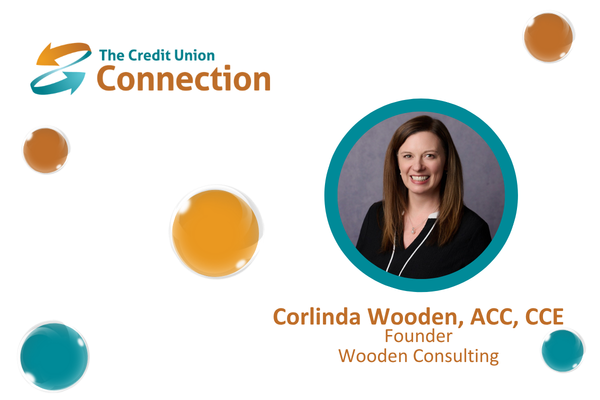
Corlinda Wooden, ACC, CCE, Founder, Wooden Consulting
Case Study: The Leader
She didn’t notice it all at once, and honestly, most leaders don’t. At first, it was easy to explain away. Meetings felt a little quieter than usual, and decisions were getting made faster. When she asked for input, she would hear, “I’m good with whatever you think,” and the team would keep moving. If you’re leading a busy team, that can even feel like a win. Things are efficient, there’s less friction, and the work is getting done.
But something about it didn’t sit right with her. A few months earlier, this same group would challenge each other, build on ideas, and take the time to think things through. Now the conversations felt flatter. There was less energy in the room and even less ownership behind the decisions.
She found herself stepping in more than she used to. She clarified direction, filled in gaps, and made decisions that, not long ago, the team would have worked through together. It wasn’t because she wanted control. If anything, she wanted the opposite. It just felt easier in the moment to keep things moving.
The realization didn’t happen in the meeting. It came afterward. She sat back and said, “I feel like I’m working harder than I used to, and we’re getting less from the room.” That was the moment it clicked. This wasn’t burnout, and no one was checked out. The team still cared. But something had shifted, and it had happened gradually. The spark hadn’t disappeared overnight. It had faded over time.
Case Study: The Employee
From the employee side, the experience didn’t show up as a big moment either. It was quieter than that. She had always taken pride in her work, not just getting things done, but getting them right. She paid attention to details, thought about how decisions would impact members, and took an extra minute when she felt like something could be better. No one had asked her to do that. It was simply how she worked.
Over time, she started to notice a shift. The pace picked up, decisions were made more quickly, and feedback became shorter and more general. Comments like “Looks good” or “Go ahead” became the norm. None of it was negative, but none of it told her much either. There was little to signal that the extra effort or thought she was putting in was being seen.
At first, she kept working the same way. But gradually, without making a conscious decision, she adjusted. She stopped double-checking as much and stopped thinking a few steps ahead. Instead, she focused on getting the work done and moving on, aligning her pace with what seemed to matter most. What used to feel like pride in her work slowly turned into simply completing tasks.
If you had asked her, she likely wouldn’t have said anything was wrong. But something had changed.
In both of these situations, nothing was broken. The team was still performing, and members were still being served. From the outside, everything looked fine. But if you paid closer attention, something meaningful had shifted beneath the surface. I’ve seen this play out in different ways across teams, and it often looks just like this. Not because people stop caring, but because the environment stops pulling that extra level of thinking and ownership out of them.
When the Spark Fades
A lot of leaders I talk with can feel this before they can explain it. The work is happening, the numbers are there, and on paper things look solid, yet something feels off. The energy that once fueled conversations and collaboration feels lower. Engagement comes and goes. Conversations feel more like updates than real discussion.
And when that happens, the instinct is usually to add something. A new initiative, a new structure, or a stronger push for accountability. It feels like action, and in many ways it is. But if I’m being honest, this is rarely an effort problem. It’s usually a signal. And more often than not, the team doesn’t need more direction. It needs a reset.
When It’s Not a Motivation Problem, It’s a Reset Problem
I was reading a Harvard Business Review article, “6 Steps to Reset a Demotivated Team,” and one idea really stuck with me. Teams are constantly changing, yet leaders rarely pause to reset after those changes happen. That resonates a lot in the credit union space right now. There’s a lot shifting. Member expectations, technology, staffing, priorities. What worked even a few months ago may not fit the reality today, but we tend to keep moving like it does.
I remember sitting in on a leadership team discussion where everything looked right on paper. Strong performance, experienced leaders, clear goals. But in the room, something felt different. The leader was doing most of the talking, and the team had started to defer instead of contribute. Nothing was broken, but you could feel the shift.
The leaders who navigate this well don’t just push forward. They pause long enough to ask, “What’s different now?” They reconnect people to purpose, realign expectations, and pay attention to how the work feels, not just whether it’s getting done. Because performance isn’t just about output. It’s about the conditions that support it.
Why the Spark Fades
When I step back and look across teams, there are a few patterns that show up over and over again. Clarity doesn’t disappear all at once, it just fades. What used to be clearly communicated becomes assumed, and over time people aren’t as sure as they used to be about priorities or expectations. When that happens, they hesitate, wait, and play it safe.
Coaching often turns into telling, usually with good intent. Leaders want to help, especially when things are moving quickly, so they step in with answers. It works in the moment, but over time it limits ownership more than people realize.
Another pattern I see more often than leaders realize is what I think of as “autopilot leadership.” In the moment, a leader is moving quickly. An employee brings forward an idea or approach, and the response is something like, “Sounds good,” or “Go ahead.” It feels efficient, and the work keeps moving.
But then the work comes back, and the conversation changes. The leader asks a series of questions, offers multiple suggestions, or starts reshaping the approach after the fact. Not because the employee did something wrong, but because the leader is now more engaged in the outcome than they were in the moment the direction was set.
From the employee’s perspective, this can be confusing. They thought they had alignment. They moved forward based on that understanding. And now they are being asked to explain decisions or rework something they believed had already been agreed upon.
Over time, this creates hesitation. Instead of moving forward confidently, people begin to second-guess, wait for more direction, or stop bringing forward their thinking altogether. If we want people to take ownership, we have to be just as present in the moment of alignment as we are in the moment of review.
Connection can get replaced by transaction. Conversations become focused on updates and tasks, which are necessary but not enough to keep people engaged. Without moments of real connection, people start to feel less seen and less connected to the work.
Recognition becomes less specific or less frequent. Leaders move on to what’s next, while team members are still sitting in what just happened. When effort isn’t acknowledged in a meaningful way, motivation doesn’t disappear dramatically. It just slowly fades. You don’t lose the spark because people stop caring. You lose it because the environment stops pulling their best thinking out of them.
The Leadership Shift
The encouraging part is this doesn’t require a major overhaul. In most cases, it comes down to small, consistent shifts in how leaders show up. Instead of assuming clarity, leaders bring it back into the conversation and reconnect the work to purpose. Instead of jumping in with answers, they pause and ask a question. “What do you think?” “What would be best for the member?” Those questions create space for ownership to come back.
Instead of moving quickly from one thing to the next, leaders become more intentional about connection. Not in a big, time-consuming way, just enough to remind someone they’re seen. And instead of offering general feedback, they get specific about what they’re noticing and why it matters. These are things most leaders already know how to do. They just tend to get crowded out.
Rebuilding Team Connection
One thing I’ve seen make a meaningful difference, and something I don’t think we talk about enough, is how teams show up for each other. Some of the strongest teams I’ve been part of were not the most competitive. They were the most connected. There was a shared understanding that we were in it together. People supported each other, stepped in when someone needed help, and genuinely wanted to see each other succeed.
That kind of environment doesn’t just happen. It’s shaped by what leaders reinforce and what teams experience day to day. In one of my roles, we made a few simple shifts that had a bigger impact than I expected. We committed to consistent weekly team meetings, not just for updates, but for real conversation. What’s working? Where are we getting stuck? What are we hearing from members? It created space for people to think together instead of working in silos.
We also made it a point, at least once a month, to step outside of the normal routine. Sometimes that looked like walk-and-talks, getting out of the office and having conversations in a different environment. Other times it was simply creating space to connect as people, not just as roles.
At the time, those felt like small things. Looking back, they were not. Because when people feel connected to each other, not just to the work, something shifts. They are more willing to speak up, more willing to support one another, and more likely to bring their full thinking into the room. And if I’m being honest, this is where I’ve seen the biggest difference between teams that sustain energy and those that slowly lose it. Connection doesn’t just happen between a leader and their team. It happens within the team itself.
The Energy Leaders Bring Into the Room
There’s one more piece that I think matters, and we don’t always talk about it enough. Leaders don’t just influence energy. They bring it with them. I came across this idea again in Harvard Business Review’s article, “Finding Joy as a Manager — Even on Bad Days,” which talks about how quickly leaders can become depleted when everything feels like pressure and output with very little connection in between.
And when that happens, it shows up. Conversations get shorter. Patience wears thinner. Coaching turns into directing. Not because leaders don’t care, but because they’re human. In credit unions, where the work is so people-centered, that energy carries even further. Teams feel it. Members feel it.
When leaders reconnect to why the work matters, take a moment to notice progress, and create even small moments of connection, something begins to shift. Not overnight, but in a way that people can feel.
What Changed
For this leader, the changes were small at first. She began pausing in meetings instead of immediately stepping in and asked follow-up questions instead of offering solutions. At first, it felt quiet. Then someone added to an idea. Then someone else offered a different perspective. Over time, the conversations changed.
On the team, it showed up too. The employee who had pulled back started leaning in again. Asking questions. Offering ideas. Taking a little more time with her work. Not because she was told to, but because it felt like it mattered again.
What to Take With You
Reigniting the spark doesn’t require doing more. It requires noticing what’s shifted and making small, intentional changes in how you lead and how your team connects.
- If something feels off, pay attention to it.
You don’t always need to name it right away, but you can usually feel it. A drop in energy or ownership is often an early signal, not a failure. - This is rarely an effort problem.
It’s usually a clarity and environment problem. When expectations, priorities, or “what good looks like” become assumed instead of clear, people don’t stop caring, they start hesitating. - Pause before you push.
When things feel off, resist the urge to add more. Instead, take a step back and ask what has changed and what needs to be realigned. - Small leadership shifts matter.
Pausing instead of jumping in, asking instead of telling, and noticing instead of assuming can quickly change the tone of a team. - Pay attention to what you reinforce.
Your team is watching what gets recognized. When you acknowledge thoughtful effort and ownership, you’ll see more of it. - Connection within the team matters.
The strongest teams aren’t the most competitive, they’re the most connected. When people support each other and feel like they’re working toward something together, energy sustains itself. - Create simple, consistent spaces for connection.
Weekly team conversations and occasional moments outside of routine, like walk-and-talks, can create the space teams need to reconnect and think together. - Your energy sets the tone.
Leaders don’t just influence energy, they bring it with them. Presence, curiosity, and connection are contagious. - Start small.
You don’t need to overhaul everything. One conversation, one question, or one moment of recognition can begin to shift the dynamic.
Moving Forward with Purpose
If this feels familiar, you’re not alone. I’m seeing more and more teams in this space right now, where the work is getting done, but the energy behind it feels different. The opportunity isn’t to add more. It’s to notice what’s shifted and adjust how you show up. That might mean slowing down just enough to ask a better question, reconnecting your team to purpose, or creating space for people to think together again.
I’ve seen this shift happen in real time, and it rarely comes from one big change. Because the spark doesn’t disappear all at once, and it doesn’t come back all at once either. It returns through small, intentional moments that remind people their thinking, their effort, and their presence truly matter. And when that happens, everything else starts to move with it.
If this resonates, consider where you might create a small moment of reset with your team this week.
Through Wooden Consulting, I partner with leaders and teams to strengthen coaching, connection, and leadership practices that bring energy back into the work. If you’re exploring what that could look like in your organization, I’d welcome the opportunity to connect.