

Remember thinking you’d have it all figured out once you got your first “real” paycheck?
Yeah, adulthood had other plans. Now, Arizona high schoolers are getting a sneak peek at those financial plot twists—minus the actual consequences—thanks to a clever collaboration between TruWest Credit Union and other local credit unions.
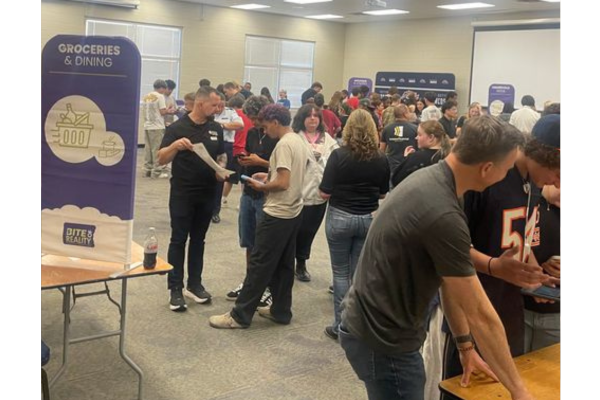
The program is called “Bite of Reality,” and it’s basically a financial simulator that drops students into the deep end of grown-up money management. Think The Sims meets your monthly budget review, but educational.
How It Actually Works
Here’s the setup: Each student gets assigned a career, an income level, a credit score, and some debt. You know, the full starter pack of adult life. From there, they navigate real-world financial decisions about housing, transportation, groceries, childcare, and all those other expenses that somehow add up faster than you expect.
And because life loves throwing curveballs, the simulation includes unexpected costs too. Car trouble, medical bills, that thing that always breaks right after the warranty expires—students get to experience it all in a controlled environment where the stakes are purely educational.
Real Learning, Zero Financial Damage
“Bite of Reality gives students a ‘day-in-the-life’ look at adult financial responsibilities, helping them build practical money skills before entering the workforce full time,” explains Rachel Caballero from TruWest Credit Union. “We’re proud to join other participating credit unions in providing financial education that helps prepare the next generation for a strong financial future.”
Translation: These kids are learning about budgeting, the difference between wants and needs, and how credit unions work—all before they make expensive mistakes with actual money.
The Results Are In
This spring alone, the Arizona credit union team brought Bite of Reality simulations to more than 500 students across multiple schools, including Phoenix College Preparatory Academy, McKemy Academy, and Poston Butte High School. The program was popular enough that they’re already planning more sessions for fall when students head back to class.
It’s the kind of financial education that actually sticks because students are actively making decisions rather than just memorizing terms from a textbook. And honestly? Learning that you can’t afford both the luxury apartment and the new car payment in a simulation is a lot less painful than learning it when real landlords and loan officers are involved.