

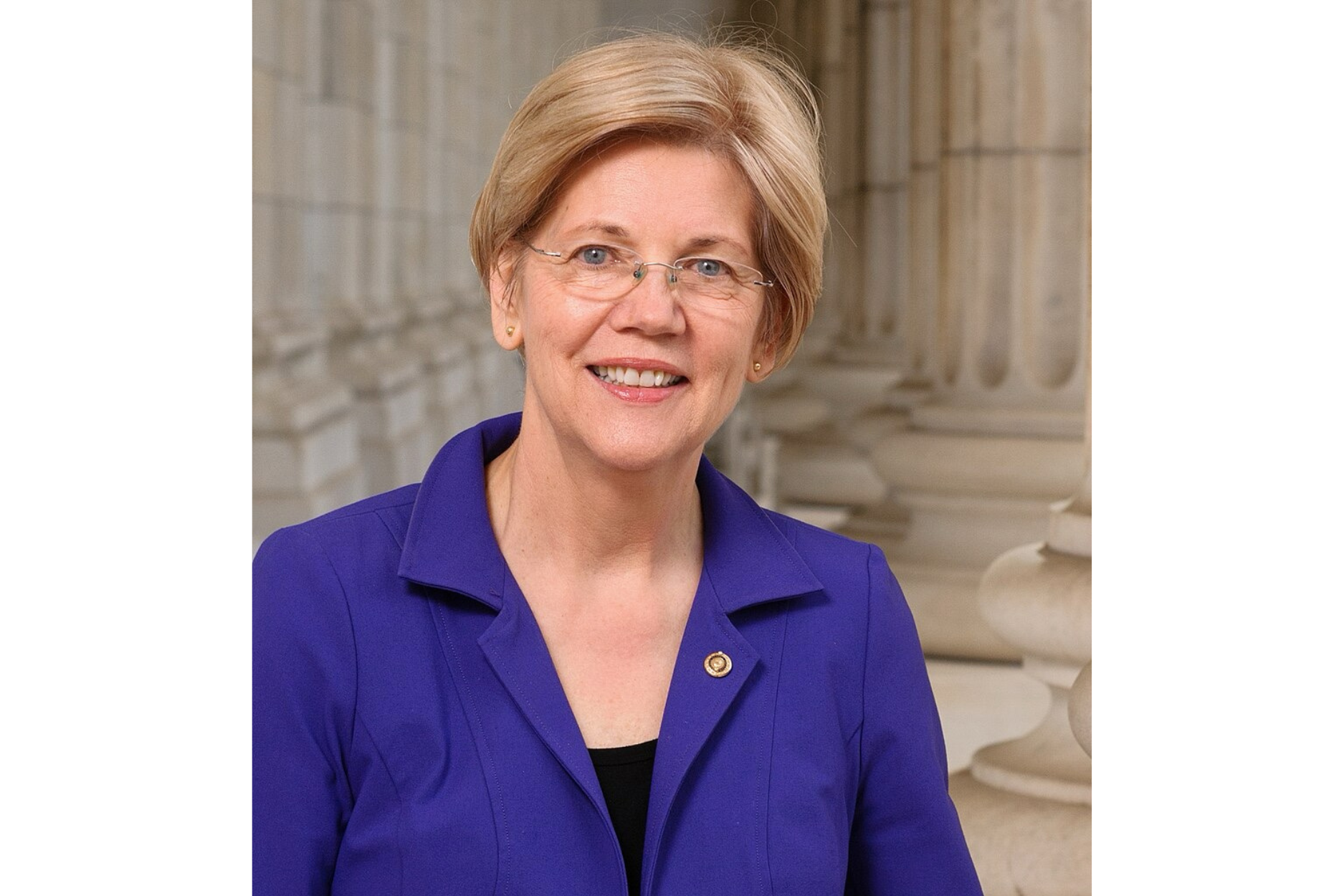
Lower interest rates are an easy sell. But a lower rate only helps if you can get the card in the first place. That’s the tension at the heart of a new appeal from the Defense Credit Union Council (DCUC) to Senator Elizabeth Warren, who has backed efforts to cap credit card rates at 10 percent.
What DCUC is asking for
In a letter dated November 6, DCUC Chief Advocacy Officer Jason Stverak asked for a 30-minute meeting with Warren, her staff and representatives of defense credit unions, smaller ones included. His warning: a rigid cap could lead to tighter approvals, lower credit limits and fewer options for people building or repairing their credit.
The letter responds to Warren’s public stance on the issue. On January 9, she reiterated that she was willing to help pass legislation capping card rates. On April 27, she pressed federal banking regulators about President Trump’s promised 10 percent cap.
“A lower rate means little to a military family whose application is denied. Servicemembers, veterans, and families building credit need lenders able to say yes responsibly. Congress should strengthen those options and protect the financial readiness of the people who serve our nation,” said Anthony Hernandez, DCUC President/CEO.
Credit unions already live under a cap
DCUC points out that federal credit unions already operate under a 15 percent statutory rate cap. The NCUA has approved an extra three percentage points, which puts the general ceiling at 18 percent through September 10, 2027. Those three points are part of the permitted rate, not a separate fee.
Even so, the bills keep coming. Credit unions still have to cover the cost of funding loans, running secure systems, preventing fraud and absorbing credit losses. Smaller institutions spread those costs over fewer accounts, so they feel the squeeze first. A blanket cap, DCUC says, would force hard choices about lending and member services.
“Credit unions cannot erase the costs of funding loans, preventing fraud, and absorbing losses because Washington chooses a number. A blanket 10 percent cap would force painful decisions about credit availability and member services. We want to work with Senator Warren on solutions that preserve both affordability and access,” Stverak said.
What the research says
The letter cites a February 2026 working paper by Philadelphia Fed economists. Their model found that a 10 percent card cap would shrink credit limits and leave borrowers with weaker credit worse off overall. DCUC concedes that people who keep their cards could benefit from paying less interest. It simply wants lawmakers to weigh the people who would lose access.
Those people still need to borrow. DCUC warns that some could turn to payday lenders where the law allows, costly installment loans or other pricey alternatives. Others might fall behind on essential bills. The Congressional Research Service has flagged the same risk: reduced access could push borrowers toward more expensive credit outside the banking system.
“Congress cannot call a loan affordable when a family can no longer qualify for it. We are asking Senator Warren to meet with defense credit unions and confront the real consequences for servicemembers, veterans, and underserved borrowers,” Stverak said.
Where this goes next
This isn’t DCUC’s first outreach. It follows the group’s January 2026 correspondence with Warren and its February 2025 opposition to the Sanders–Hawley rate-cap proposal.
DCUC is also offering alternatives. It would work with Warren’s office on:
- Clearer disclosures
- Enforcement against deceptive practices
- Financial counseling
- Responsible emergency lending
The Council is also urging Congress to preserve NCUA’s authority under current law and to study the effects on approvals, credit limits and borrowers’ other options before moving a blanket cap forward.
If you’re a servicemember, veteran or anyone rebuilding credit, now is a smart time to build relationships with a credit union you trust, and to ask what a small-dollar or emergency loan would look like there before you need one. Keeping an eye on rate-cap legislation doesn’t hurt, either.