

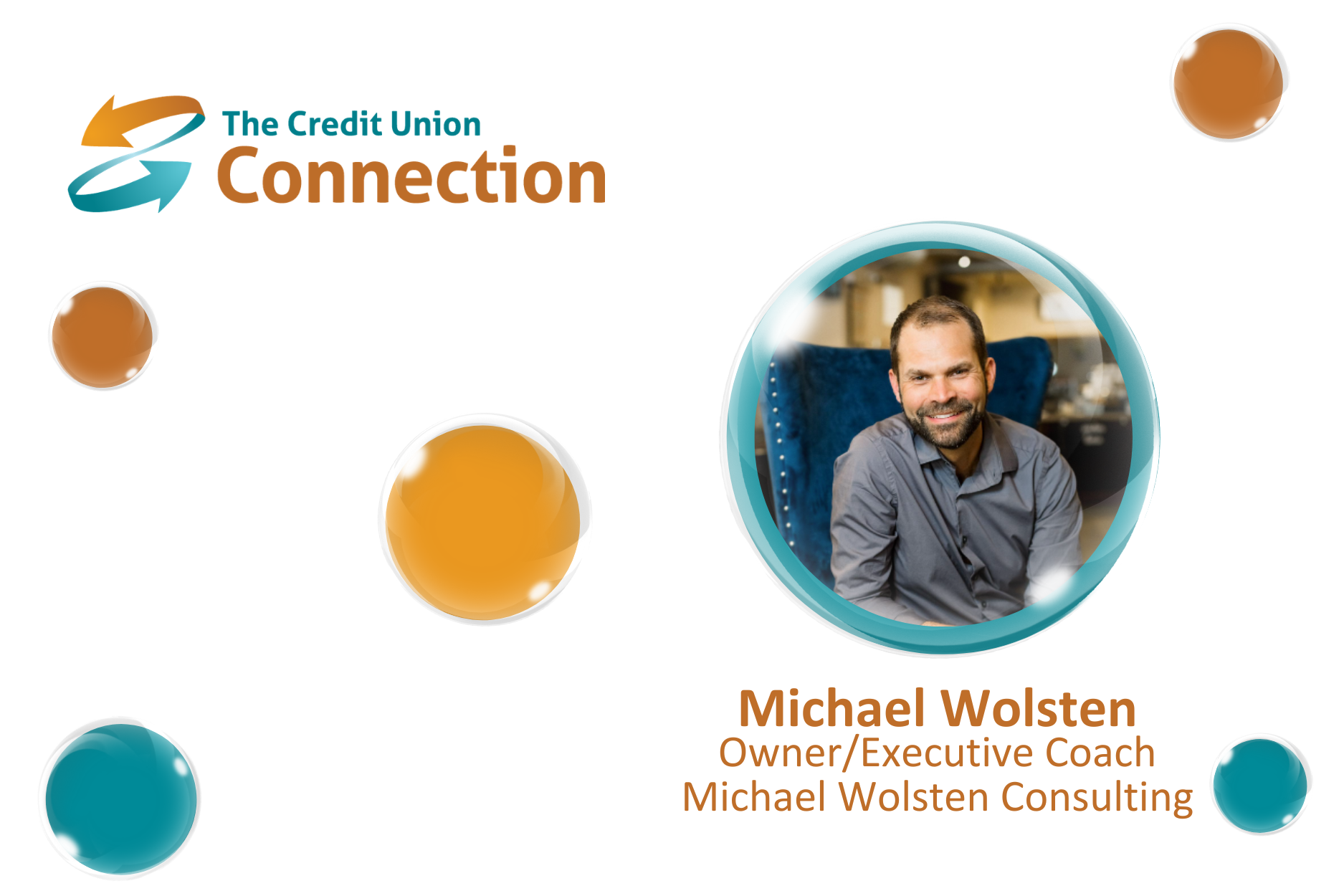
Michael Wolsten, Owner/Executive Coach, Michael Wolsten Consulting
It shows up in the meeting that took three hours and produced no decision. The strategic priority that quietly stalled because it never had real traction behind it. The plan everyone agreed to in the room that nobody is working from four months later.
I see this pattern all across the credit union industry. Good people, strong leaders, and a commitment to the mission. And yet somewhere between the boardroom and the day-to-day, the alignment that should be moving everything forward breaks down.
The C-suite is pulled into the day-to-day execution. The board is asking questions. And the gap between those two realities keeps widening, quietly, until it shows up as friction nobody can quite name.
That friction has a cost. Decisions that should take a week take a month. Strategic priorities stall. Good people on both sides of the table start working around each other instead of with each other. And the credit union pays for it in speed, in culture, and in outcomes.
Here are the three places I see that gap show up most.
When no one has written down who owns what.
When the boundaries between governance and operations are not clearly defined, everyone fills the vacuum with their best judgment. People step into spaces they are trying to help with, and in doing so, slow down the very things they are trying to move.
Executives can hold back information because they are not sure what the board actually needs. The board asks for more detail because they may not fully trust what they are seeing.
And the whole relationship runs at about sixty percent of what it could be. A credit union where those lines are clear and agreed upon moves faster, decides more quickly, and carries far less low-grade tension on both sides.
When the board pipeline has been left to chance.
Most credit unions recruit board members the same way they have always done it – reactively, when a seat opens up, usually with whoever is available and willing.
The result is a board that reflects where the credit union has been rather than where it is trying to go. The skills the organization needs for the next five years are not always sitting at the table.
Without a development pathway for future board leadership, new voices never quite find their way in. One Detroit Credit Union tackled this problem head-on as part of a broader leadership development effort. They built a deliberate succession framework for their board, identified people in their pipeline years before they needed them, and saw a 35 percent increase in leadership retention across the organization over three years.
When the strategic plan has no rhythm underneath it.
I have facilitated a lot of planning sessions. People leave committed.
But without a built-in rhythm, Monday comes around, everyone goes back to the fires, and within ninety days the plan gets stalled out.
The plan was not the problem. What was missing was a shared accountability structure that kept both the board and the executive team connected to the priorities between the meetings.
I worked with a CEO who came to me with exactly this situation. Her organization was in negative financial territory. After surveying the full team, building a proven plan with clear owners and quarterly accountability built in, they were profitable within six months.
Higher culture scores followed. She told me later that the difference was not the ideas in the plan. It was the system underneath it.
Moving from “We Should” to “Here Is What We Are Doing”
The credit unions that close this gap do not do it by trying harder. They do it by building structure that makes alignment the default.
Start with the ground truth before you redesign anything. Take an honest look at how decisions actually get made today, where the overlaps are, and where communication breaks down. You cannot fix what you have not named. Every engagement I run starts here, because the real issues are rarely what anyone assumed at the outset.
Write the roles down together. When you document, agree on, and build expectations for both the board and the executive team with the people who have to live by them, friction drops almost immediately. Not because anything dramatic changed, but because everyone now knows the rules and helped write them. If it isn’t written down, it doesn’t exist.
Build your board pipeline before you need it. The best time to recruit a future board member is two years before a seat opens. Identify the skills you are going to need. Create a pathway for the right people to learn the organization before they take a seat. This is how you build a board that stays genuinely aligned with where the credit union is headed.
Put the plan on a shared calendar. Monthly check-ins across the Big Five – Culture, Service, Growth, Finances, and Systems keep everyone working from the same picture.
Quarterly barrier reviews give the executive team a structured place to surface what is getting in the way, and give the board a role in removing those barriers. At State CS Employees Federal Credit Union, that kind of shared accountability structure produced a 25 percent improvement in employee performance within a year and a 45 percent reduction in staff turnover. The people did not change. The system did.
The goal is simple. A board and executive team working from the same plan, with the same information, toward the same outcomes.
Once that system is in place, everything moves. When it doesn’t, even the best people in the room work at a fraction of what they could.
If you are ready to close that gap, reach out to me at info@michaelwolsten.com or michaelwolsten.com
Lead Boldly.
~Michael Wolsten