

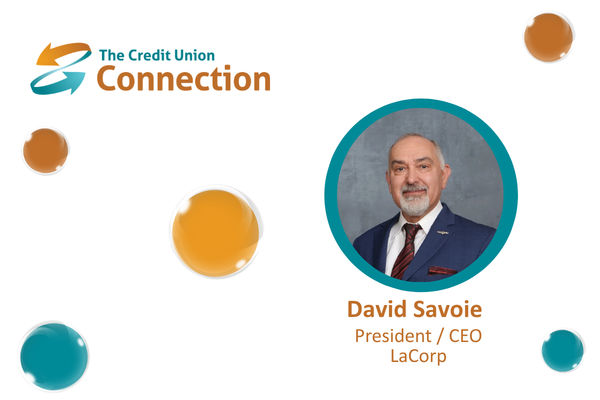
David Savoie, CEO, Louisiana Corporate Credit Union (LaCorp)
Trying to plan around the Federal Open Market Committee’s (FOMC) meeting Sept. 15-16? You’re not alone.
And for the first time in a while, nobody can confidently predict what the committee will decide. No matter how it goes, it will have real consequences for how credit unions manage both sides of the balance sheet heading into year-end.
The target range has held at 3.5% to 3.75% since late 2025. Earlier this year, the conversation was about a possible hike until the labor market softened. Add that to falling payrolls and prior months’ downward revisions, and some are forecasting a cut, while other trackers still put the odds of a cut near zero.
Rather than predict the outcome, it might be more useful to think through each scenario and what it means for your credit union and your members.
What it means for credit unions as lenders and depositories
- If the Fed cuts: A 25-basis point cut would lower interest rates on credit cards, HELOCs and other variable-rate products. On the deposit side, a cut gives you cover to reprice share certificates and money market accounts downward, which helps margin.
- If the Fed holds: It is not a neutral outcome. Credit unions can expect continued margin pressure as elevated deposit costs persist while loan growth remains soft. The one benefit of a prolonged hold is planning stability. Ladder your credit union’s investments accordingly.
- If the Fed hikes: It’s a big ‘if,’ but not entirely impossible. A hike raises your cost of funds, immediately boosting interest on your variable deposits. And it will even further intensify the war for deposits. The good news is that it would also lift yields on new loans and short-term investments, which helps if your balance sheet is positioned to capture the gains. Credit unions with concentrated, longer-maturity certificates locked in at lower rates would feel the squeeze most.
In other words, this is not the moment to make one big bet on where rates are headed.
What it means for your members
Borrowers are watching rates, too. A cut brings modest, immediate relief on variable-rate debt, except mortgage rates, which follow the 10-year Treasury and can move independently. If the Fed holds or hikes rates, you might consider reaching out to your borrowing members to see how you can help them keep as much of their hard-earned money as possible through auto or adjustable mortgage refinancings.
Your savers absolutely have been the winners in the current environment, and a hold extends that. Certificates and money market accounts paying 4% or more likely will hold onto those levels longer than expected if the Fed holds. Share with your members that the window to lock in a strong certificate rate may be now because the winds will change. Members sitting in low-rate regular savings are leaving real money on the table and helping them move into the right product is service, not a sales pitch.
This is also the tension that has defined member deposit behavior all year. People want yield but do not want to lock up funds when the next Fed move is uncertain. That is why money market accounts have been growing faster across all depositories than any other deposit category. They resolve the dilemma by offering a competitive rate without the long-term commitment of a certificate.
Your corporate credit union’s role
Whatever move the FOMC makes Sept. 16, position your balance sheet to perform across all three scenarios. That means disciplined certificate laddering and accessible liquidity in flexible money market accounts.
This is where your corporate credit union partnership really shines, especially for credit unions without dedicated Asset-Liability Management (ALM) staff. LaCorp works with credit unions nationwide to structure liquidity and investment strategies built for uncertainty. To discuss positioning your balance sheet, contact LaCorp President/CEO David Savoie at david@lacorp.com.